Non-Toxic & Certified Sleep
The differentiator: what each sleep certification actually audits, which beds are genuinely fiberglass-free, and how to verify a claim yourself.
This is the part of the site nobody else does properly. “Non-toxic” and “certified” get slapped on mattress listings constantly, and almost nobody explains what the words mean. A CertiPUR-US badge doesn’t make a bed fiberglass-free. An OEKO-TEX label on the cover says nothing about the foam. Knowing the difference is the whole point, because it’s the difference between paying for real material safety and paying for a logo.
So we built the reference we wanted: a decoder that tells you exactly what each certification audits and what it leaves out, an honest list of the mattresses whose makers actually claim a fiberglass-free build, and a plain-English guide to the safer certified beds you can buy today.
Side sleepers have the narrowest field of anyone here, because the softest certified beds are disproportionately the ones whose listings say nothing about the fire barrier. Our non-toxic picks for side sleepers apply both filters at once.
Everything in Non-Toxic
Best Non-Toxic Mattresses
Certified, lower-emission mattresses you can buy on Amazon — with each pick's certifications named and their scope explained.
Top pick
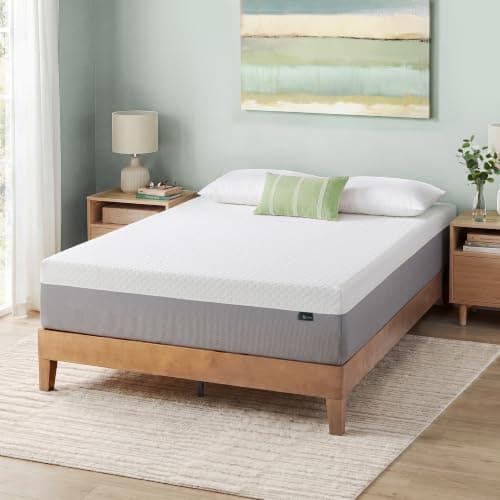
Zinus 12" Green Tea Essential Memory Foam
$219.99 · See it on AmazonPrice as of October 22, 2026. #ad How we’re funded
Best Non-Toxic Mattresses for Side Sleepers
Side sleeping needs give at the shoulder and hip, and most of the softest certified beds are the ones that state the least. The picks that publish both a certification and a fiberglass position.
Top pick
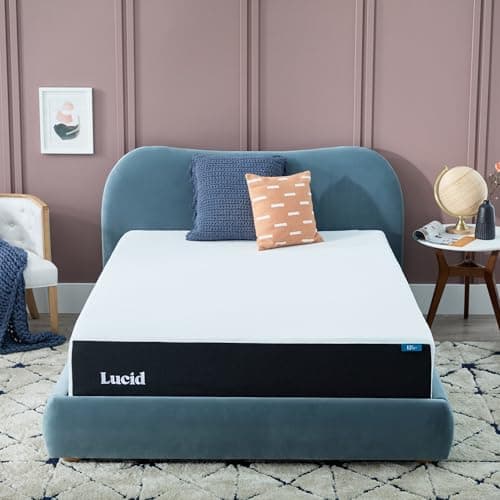
LUCID 12" Plush Bamboo Charcoal & Gel Memory Foam
Best Non-Toxic Mattresses for Back Pain
Two filters at once: a bed firm enough to hold the lumbar spine level, and a listing that states what the bed is made of. The beds that pass both, ranked.
Top pick
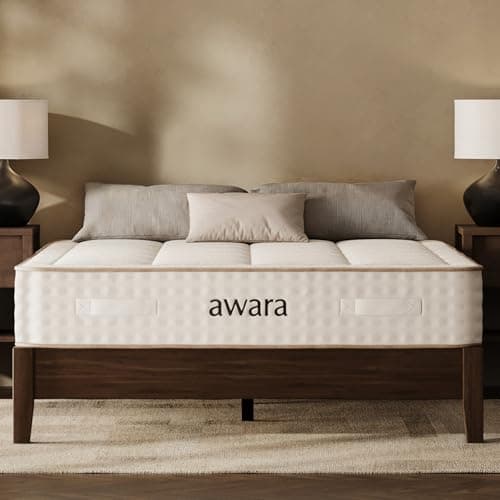
Awara Natural Hybrid 10" (Organic Latex over Coils)
$799.00 · See it on AmazonPrice as of October 22, 2026. #ad How we’re funded
Mattresses Without Fiberglass
The beds whose listings actually state fiberglass-free construction — plus how to check any mattress for a fiberglass fire barrier.
Top pick
Zinus 12" Green Tea Essential Memory Foam
$219.99 · See it on AmazonPrice as of October 22, 2026. #ad How we’re funded
Best Fiberglass-Free Mattresses by Budget
What fiberglass-free costs at three price points — and the organic tier where a certification enforces it instead of a maker's sentence.
Top pick
Awara Natural Hybrid 10" (Organic Latex over Coils)
$799.00 · See it on AmazonPrice as of October 22, 2026. #ad How we’re funded
Best Non-Toxic Mattress Toppers
Certified foam toppers for a bad back — with the useful note that a topper has no fire barrier, so the fiberglass question doesn't apply.
Top pick
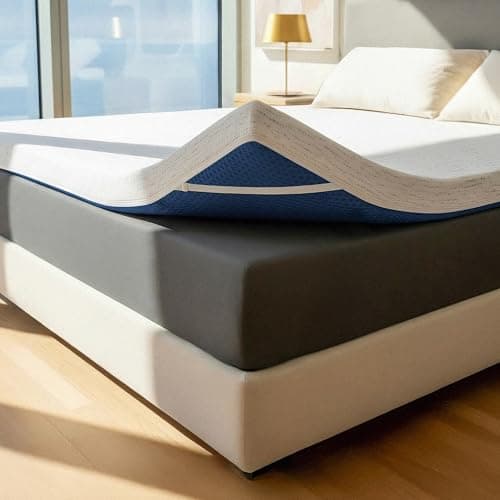
ViscoSoft 3" Select High Density Memory Foam Topper
$179.95 · See it on AmazonPrice as of October 22, 2026. #ad How we’re funded
Best Non-Toxic Pillows
The sleep product closest to your face all night — and the one where a badge is most likely to cover the cover, not the fill. Certified picks with the scope spelled out.
Top pick
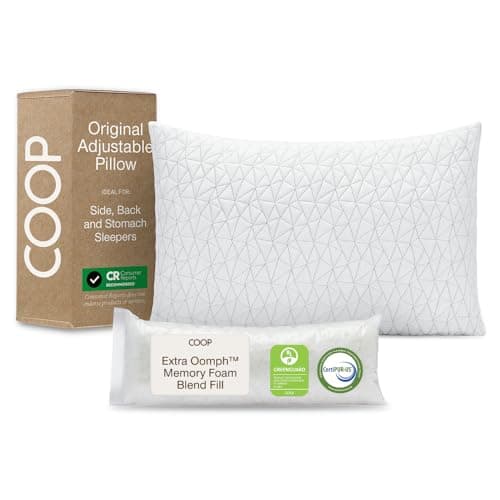
Coop Home Goods Original Adjustable Pillow
$89.00 · See it on AmazonPrice as of October 22, 2026. #ad How we’re funded
Organic Mattresses: What GOTS and GOLS Actually Certify
The strictest labels in sleep — what each one audits, the two Amazon-buyable beds that actually hold one, and the certified organic layer that costs a fraction of either.
Top pick
Awara Natural Hybrid 10" (Organic Latex over Coils)
$799.00 · See it on AmazonPrice as of October 22, 2026. #ad How we’re funded
Sleep Certifications, Decoded
CertiPUR-US, OEKO-TEX, GREENGUARD Gold, GOTS, GOLS and MADE SAFE — what each audits, what it doesn't, and which address fiberglass.
Best Non-Toxic Mattresses for Kids
A child spends more hours on their mattress than anyone else in the house. Twin beds whose listings state fiberglass-free construction and name their certifications.
Top pick
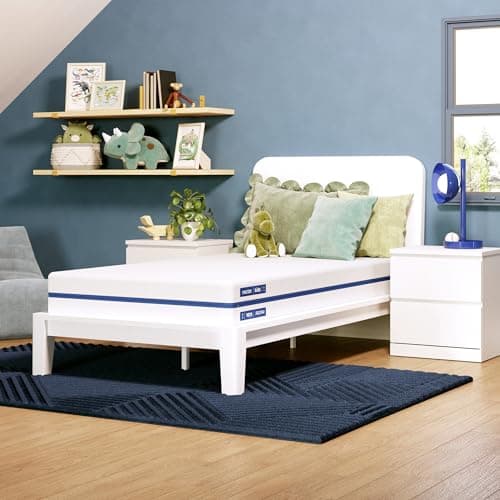
Nectar Kids 8" Twin Memory Foam (2-sided)
$299.00 · See it on AmazonPrice as of October 22, 2026. #ad How we’re funded
Best Mattresses for Bunk Beds
A bunk mattress is a height problem before it is a comfort problem: too thick and the guardrail stops working. The thin twins whose listings still state fiberglass-free construction.
Top pick
MLILY EGO 6" Twin (Green Tea Memory Foam)
$95.99 · See it on AmazonPrice as of October 22, 2026. #ad How we’re funded
Best Non-Toxic Mattress Protectors
The one layer that sits between you and everything else, every night. Certified organic and OEKO-TEX picks that do not sleep like a plastic sheet.
Top pick
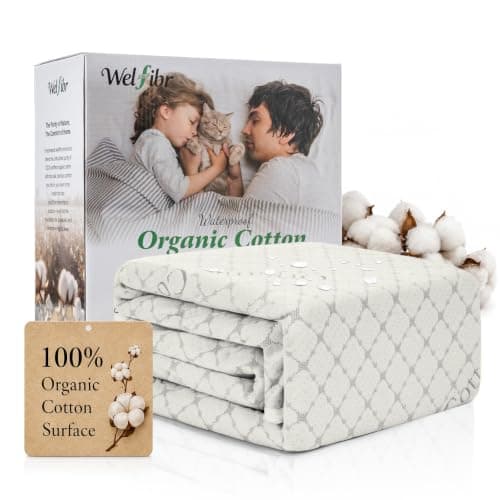
Welfibr Organic Cotton Surface Waterproof Mattress Protector (Queen)
$38.99 · See it on AmazonPrice as of October 22, 2026. #ad How we’re funded
Best Non-Toxic Pillows for Kids
Ranked on the two things that decide a child's pillow: how low it sits, and which half of it carries a certification. The cover is the part their face is against all night.
Top pick
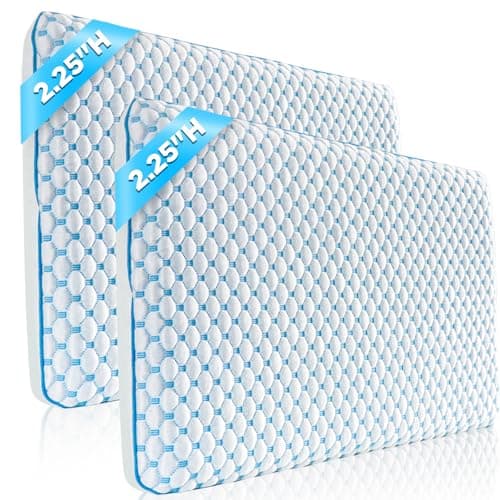
Iwacool Thin Gel Memory Foam Pillow (2.25", pair)
What “non-toxic” really means for a mattress
There is no single legal definition of a “non-toxic” mattress, which is exactly why the word is everywhere. In practice, a health-conscious buyer is usually worried about three things: the chemicals in the foam (flame retardants, VOCs), what the mattress off-gasses into the air, and whether the fire barrier contains fiberglass. No single certification covers all three — and that’s the trap.
The scope trap, in one example
CertiPUR-US is the most common mattress certification, and it’s genuinely useful — but it certifies the polyurethane foam only. It tests that foam for restricted chemicals and low emissions. It does not certify the cover, the fire barrier, or the assembled mattress, and it does not address fiberglass. So a bed can be truthfully “CertiPUR-US certified” and still contain a fiberglass fire sock. That’s not a scandal — it’s just scope, and once you know it, the marketing stops fooling you.
The tiers, honestly
If your priority is foam chemistry and emissions, a CertiPUR-US (and ideally GREENGUARD Gold) bed does the job at a normal price. If your priority is genuinely fiberglass-free, look for a maker that states it outright, or step up to an organic-standard (GOTS/GOLS)bed, which prohibits fiberglass in what it certifies — at a much higher price. The Certification Decoder lays out all six marks side by side.
One product class breaks that pattern, and it is the one people ask about last: the pillow. A pillow has no fire barrier, so fiberglass is simply not a question here — but it is also two products in one, a fill and a cover, and almost every badge on a pillow listing certifies only one of them. Our best non-toxic pillows page sorts the certified options by which half of the pillow the mark actually covers.
Frequently asked questions
Does a certification make a mattress non-toxic?
It depends which one, and 'non-toxic' has no single definition. CertiPUR-US covers foam chemistry and emissions; OEKO-TEX covers a submitted textile; GREENGUARD Gold covers air emissions; only the organic standards (GOTS/GOLS) cover the whole product and prohibit fiberglass. Match the certification to the concern you actually have.
How do I verify a mattress is really fiberglass-free?
Look for the maker's explicit statement, and cross-check it — a genuinely fiberglass-free bed uses an alternative fire barrier (like a rayon/silica blend or wool) and usually says so. We only mark a bed fiberglass-free when its listing states it. Our fiberglass-free roundup lists those beds.
Are organic mattresses worth the extra cost?
If your top priority is avoiding fiberglass and synthetic foams entirely, a GOTS/GOLS organic bed is the only tier that certifies the whole product to that standard — but it costs several times what a certified foam bed does. For most buyers, a stated fiberglass-free, CertiPUR-US bed is the sensible middle.
Sources
- CertiPUR-US — Frequently Asked Questions — CertiPUR-US certifies the flexible polyurethane foam only, not the whole mattress, and does not address fiberglass fire barriers (accessed July 23, 2026)
- OEKO-TEX — STANDARD 100 — Textile-safety label: every submitted component tested against 1,000+ harmful substances, with stricter limits the closer the fabric is to skin (accessed July 23, 2026)
- UL Solutions — UL GREENGUARD Certification — GREENGUARD Gold limits emissions of 360+ VOCs to the stricter thresholds set for schools and healthcare — an emissions standard, not a materials ban (accessed July 23, 2026)
- GOTS — Certification & Labeling — Global Organic Textile Standard: whole-product organic-fiber certification (≥70% organic fibers), restricted inputs, and prohibits synthetic/fiberglass fire barriers (accessed July 23, 2026)
- Control Union — Global Organic Latex Standard (GOLS) — Certifies organic latex products (≥95% certified organic latex by weight) and the finished product, with limits on harmful substances and emissions (accessed July 23, 2026)